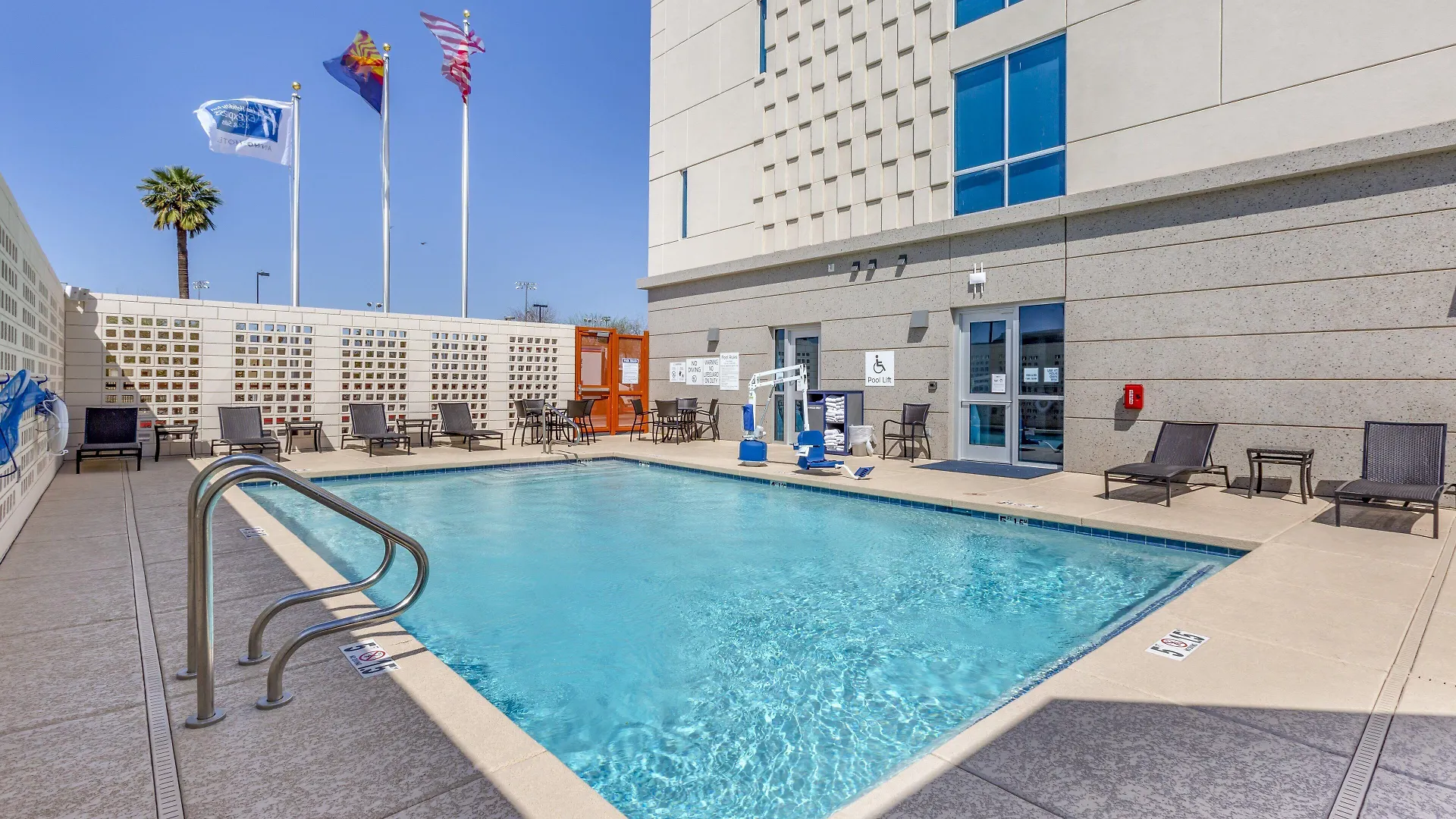
Downtown Phoenix has shifted from a daytime office district to a genuinely walkable urban core, with the light rail, Roosevelt Row arts district, and the Phoenix Convention Center anchoring most travel demand. These 5 central hotels put you within reach of all of it - without relying on a rental car for every move. Whether you're here for a conference, a Suns game at Footprint Center, or a weekend exploring the arts scene, staying centrally in Downtown Phoenix makes a measurable difference in how your days actually run.
What It's Like Staying in Downtown Phoenix
Downtown Phoenix is compact but spread out in ways that surprise first-time visitors. The core - from Copper Square to the Convention Center - is walkable, but summer heat above 110°F between June and September means short walks feel much longer. The Valley Metro Light Rail runs through the heart of downtown, connecting you to Tempe and the airport area without needing a car, which is one of the strongest logistical arguments for staying centrally. Roosevelt Row, the arts and dining corridor along 1st and 2nd Streets, adds real street-level energy on evenings and weekends, while weekday mornings are dominated by convention and business traffic.
Pros:
- Light rail access along Central Avenue connects downtown to Sky Harbor Airport and Arizona State University in Tempe without a car
- Walking proximity to Footprint Center (Suns and Mercury games), Phoenix Convention Center, and Roosevelt Row dining and galleries
- High concentration of hotel options at multiple price points within a 10-block radius
Cons:
- Extreme summer heat makes any walk over 5 minutes uncomfortable from June through early September
- Street-level activity drops sharply after 10 PM outside of event nights, with limited late-night food options
- Parking costs add up quickly if you're driving - most central hotels charge for on-site parking separately
Why Choose a Central Hotel in Downtown Phoenix
Central hotels in Downtown Phoenix occupy the sweet spot between the budget motels clustered along Van Buren Street and the full-service luxury towers - they offer structured amenities like pools, fitness centers, and on-site dining without the inflated nightly rates of resort-style properties. In practical terms, staying centrally saves around 20 minutes of transit time per trip compared to hotels in the Midtown or Camelback corridor, which matters when you have back-to-back Convention Center sessions or an early game. Room sizes in downtown central properties tend to run standard, so don't expect sprawling layouts, but the trade-off is consistent access to services and walkable distances that reduce your daily transportation spend significantly.
Pros:
- On-site pools, fitness centers, and restaurants reduce dependency on going out for basic needs during hot weather
- Walking distance to Phoenix Convention Center cuts commute time and rideshare costs for conference attendees
- Proximity to Copper Square and Footprint Center means no transport planning needed on event nights
Cons:
- Event nights near Footprint Center spike noise levels and rideshare wait times around the hotel corridor
- Standard room sizes leave little space for extended stays with large amounts of luggage
- Breakfast quality varies significantly between properties - not all central hotels offer included or high-value morning options
Practical Booking & Area Strategy
The strongest micro-location in Downtown Phoenix sits along 2nd Street and Central Avenue, where proximity to the Convention Center, Roosevelt Row, and the light rail intersection creates the most logistical flexibility. Hotels near Jefferson Street offer slightly easier access to Footprint Center, shaving around 5 minutes on foot compared to properties north of Washington Street. Book at least 6 weeks ahead for NBA and WNBA game periods or major conventions - rates can spike sharply during Barrett-Jackson, the Cactus League spring training window in March, and Super Bowl years. The light rail stop at Washington/Central Avenue is the key transit anchor: from there, you can reach Tempe Marketplace, Arizona State University, and the airport connector without a car. For nighttime safety, the Convention Center corridor and Roosevelt Row are well-lit and active on event nights, though blocks west toward 7th Avenue become quieter and less navigated after dark. Things to prioritize on foot from a central hotel include the Phoenix Art Museum on Central Avenue, the Heritage Square historic district, Talking Stick Resort Arena (now Footprint Center), and the walkable gallery strip on Roosevelt Street between 5th Avenue and 7th Street.
Best Value Stays
These properties deliver consistent amenities and central positioning at rates that don't require justifying every night of your stay - practical choices when your schedule is already expensive enough.
-
1. Holiday Inn Express & Suites - Phoenix Dwtn - State Capitol By Ihg
Show on map


 Check-infrom 15:00 until 23:59Check-outuntil 11:00
Just a few rooms left at the best rate!
fromUS$ 203
-
2. Egyptian Motor Hotel BW Signature Collection
Show on map


 Check-infrom 15:00 until 23:59Check-outuntil 11:00
Just a few rooms left at the best rate!
fromUS$ 73
Best Premium Stays
These properties add meaningful amenities - rooftop pools, multiple dining outlets, full-service fitness centers, and branded service standards - that justify higher nightly rates for stays where comfort and access both matter.
-
3. Hyatt Regency Phoenix Downtown
Show on map


 Check-infrom 16:00 until 23:59Check-outuntil 11:00
Hurry – almost gone at this price!
fromUS$ 99
-
4. Courtyard By Marriott Phoenix Downtown
Show on map


 Check-infrom 16:00 until 23:59Check-outuntil 11:00
Hurry – almost gone at this price!
fromUS$ 152
-
5. Found Re Phoenix
Show on map


 Check-infrom 15:00 until 23:59Check-outuntil 11:00
Rooms filling fast – secure the best rate!
fromUS$ 68
Smart Travel & Timing Advice for Downtown Phoenix
Downtown Phoenix has two distinct demand peaks that drive price spikes: the Cactus League spring training window in March, when MLB teams play across the Valley, and the October-April period when the NBA season, major conventions, and the Barrett-Jackson auto auction concentrate visitors. January and February are the highest-demand months for leisure travelers, with mild temperatures around 65-70°F drawing visitors from colder states and pushing downtown hotel rates up sharply. Booking around 6 weeks in advance for those months is a minimum - for Super Bowl or College Football Playoff years, three months out is safer. Summer (June-August) brings genuinely low rates and sparse crowds, but the heat is real and physically demanding for anyone planning to walk between attractions. Three nights is the practical minimum for a downtown stay that lets you cover the Convention Center, Roosevelt Row, the Phoenix Art Museum, and Footprint Center without feeling rushed. Last-minute booking in summer often yields the best price-to-amenity ratio in the city, particularly for properties with indoor pools that offset the seasonal limitation.